Sixty years on one world
You reach orbit early, just as Gagarin did in 1961. Landing on another world is something you work toward. The first sixty turns happen on your home planet, with its moon in plain view and out of reach.
TELLURION
Loading
A turn-based 4X · one star · five hundred years
It's 1960. You have one city, one world, and a moon you can see but can't reach. Five hundred years from now, someone will have built a ring around the sun. Make sure it's you.
Windows · macOS · Linux & Steam Deck — coming to Steam
The space age
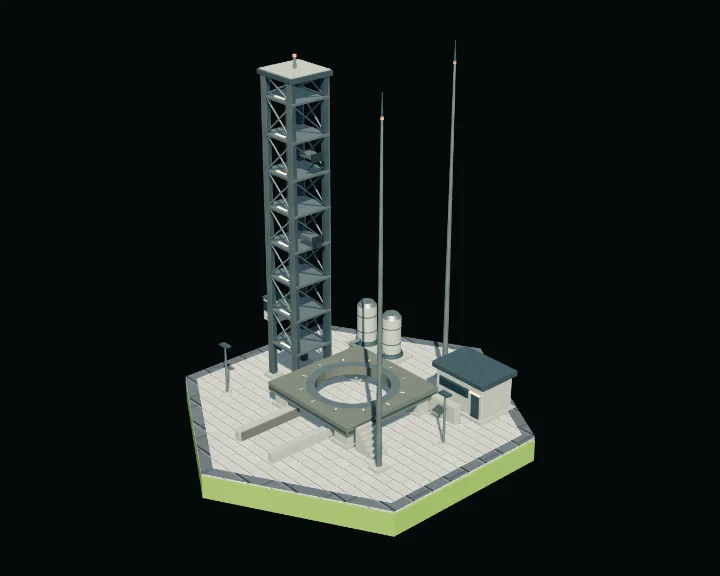
Rocketry puts a launch pad on your home world and your own orbit within reach. Every world beyond it has to be worked for.
The premise
Most 4X games hand you the stars on turn one. Tellurion makes you climb: one turn is one year, and the space age arrives the way it did in history, slowly, then all at once.
You reach orbit early, just as Gagarin did in 1961. Landing on another world is something you work toward. The first sixty turns happen on your home planet, with its moon in plain view and out of reach.
Every power in the system looks up at the same sky. Empty worlds go to whoever lands first; three contested prizes go to whoever can hold them. Your neighbours trade, ally, threaten, and remember.
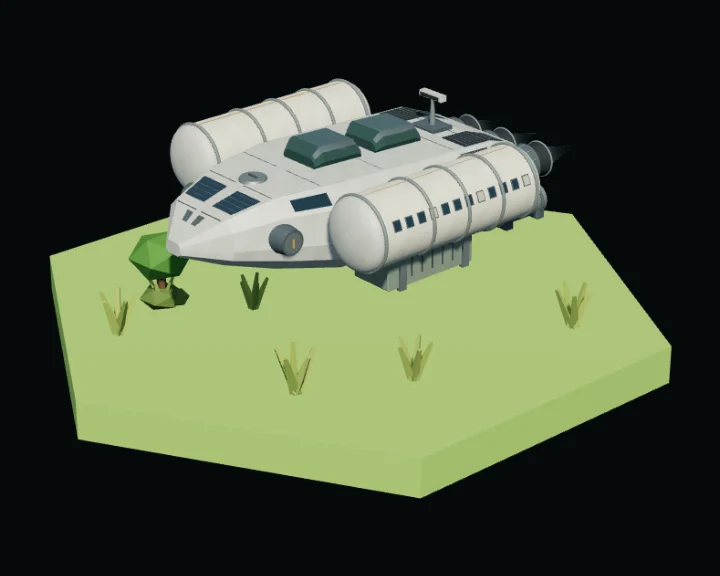
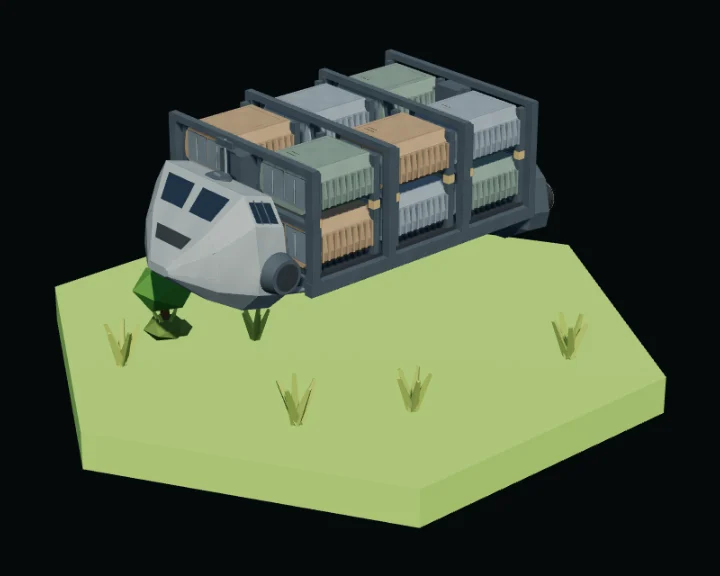
Food, water, ore and alloy belong to the planet that made them. Nothing teleports. If a colony runs short, a ship has to carry the shortfall. Only research and influence are shared from the start; credits join them once you invent Digital Communication.
When a planet can't pay its bills, nothing crashes. The lights go out building by building, newest first, and the turn report tells you exactly which ones and why. What the forecast promises is what the turn delivers.
Five hundred years
Years are the turns a steady player enters each era. Push research and you'll arrive decades early; neglect it and you'll be late.
One city, one world, 1960. Feed it, power it, grow it. Orbit comes early; standing on another world does not.
Rocketry and alloy. The first launch pad goes up and your own world's orbit opens.
Landfall. The inner worlds and the empty home slots become colonies, and Credits become one empire-wide treasury.
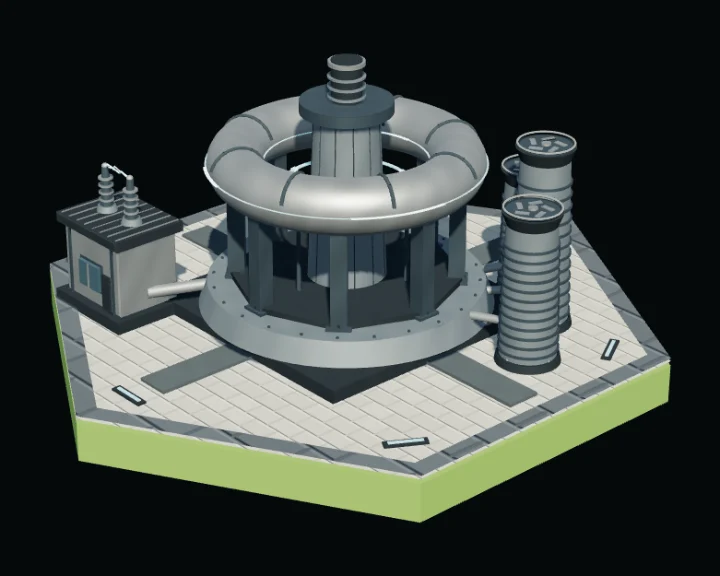
Fusion power runs on Helium-3, and the three contested prizes start to be fought over.
Sustained transfer reaches the gas giants and the outer band. Plasma is manufactured, not mined.
Everything is in reach, including the star's own orbit. Dark Matter is collected in deep space.
The Sun Ring. Ninety turns to finish what began in 1960.
Your rivals
Each leader runs an empire with its own temperament and two traits that bend the rules in their favour. They trade, form federations, issue ultimatums, and remember what you did.
Ran the storm bureau for thirty years and never once evacuated early.
Foundry engineer. Holds that a nation is whatever it can cast in one pour.
Wrote the water treaty that held nine years longer than anyone expected.
Statistician. Runs the census twice, because the first one is always a lie.
Ice-road surveyor. Measures a plan in how many winters it survives.
Career administrator. Has outlasted four governments by filing correctly.
Caravan master turned finance minister. Prices everything, including peace.
Wartime broadcaster. Learned that people will believe a schedule.
How it ends
Every game ends at turn 500, in 2459. No sudden death, no overtime.
Reach the star's own orbit, supply Dark Matter and lay the foundation. Then raise the ring arc by arc from your yard worlds until every segment is complete.
Control 90% of the landable bodies for ten turns in a row, by conquest or through vassals and federations. You set the threshold, anywhere from 50% to 100%, when you create the game.
If nobody has won by 2459, the highest score does. Score counts population, technologies, cities, worlds held, wonders, fleets, ring progress and diplomacy.
The wiki
Costs, upkeep, unit stats, the full tech tree and every event come from the same registries the game runs on, so the wiki is rebuilt whenever the rules change.